Flood Prediction System Project
A Flood Prediction System in Python using rainfall and river data with ML to predict flood risk.
- Python
- TensorFlow/Scikit-learn
- MySQL
- Remote setup included
See the project running first, then pay.
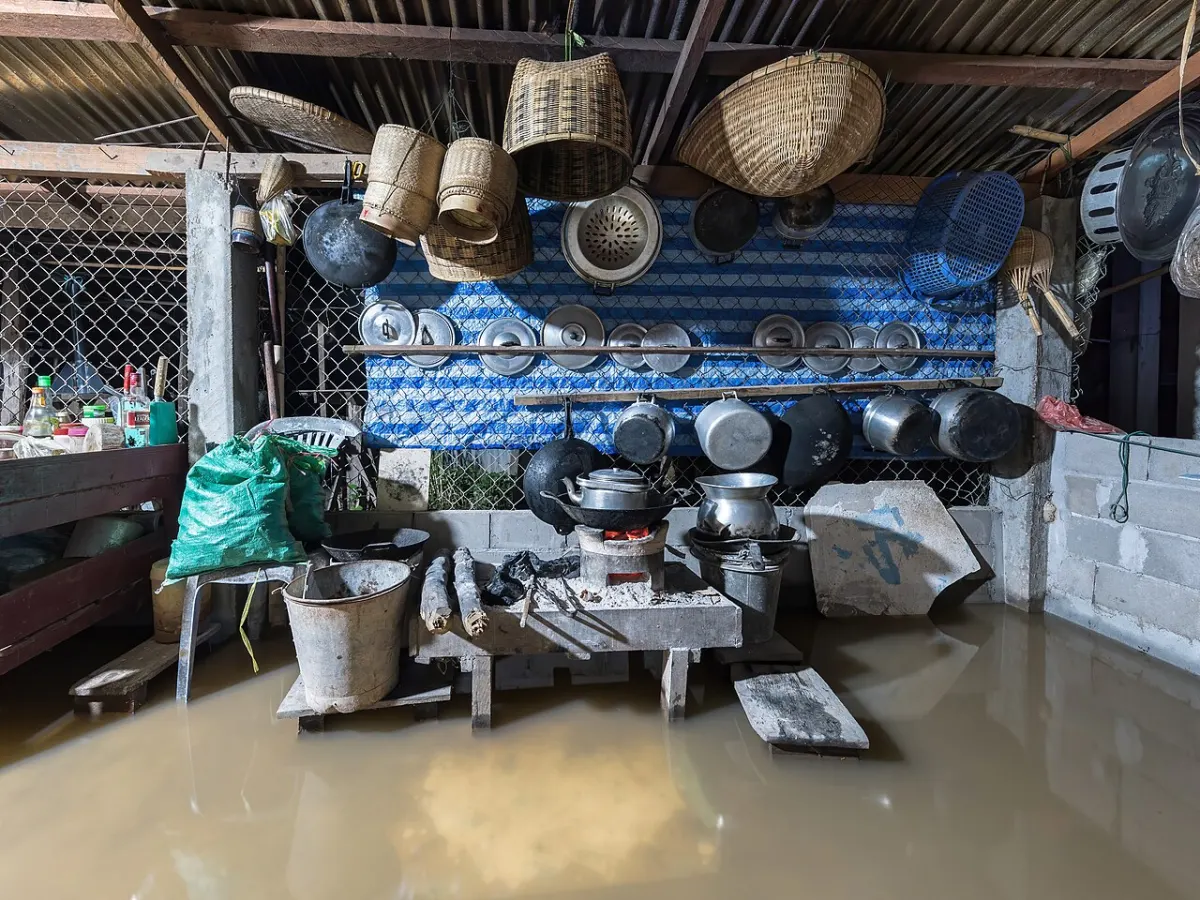
What is the Flood Prediction System?
The Flood Prediction System warns about possible floods. It uses historical rainfall and river level data for a region.
Models like Random Forest and LSTM learn patterns before floods and predict risk for the coming days. The dashboard shows risk levels and rainfall charts. It is built with Python, Scikit-learn, TensorFlow and Flask.
Key Features
Main things you can do with the Flood Prediction System.
- Rainfall dataset
- River level data
- Monthly rainfall features
- Random Forest and LSTM
- Flood risk prediction
- Risk dashboard
- Rainfall charts
- Evaluation reports
Project Modules
The project is divided into these modules. Each one has its own screens and tasks.
1Data
- Load
- Clean
- Features
- Split
2Model
- Train
- Compare
- Evaluate
- Save
3Dashboard
- Enter data
- Predict
- Risk map
- Alerts
4Analysis
- Charts
- Accuracy
- Trends
- Reports
What You Get
Everything you need to submit, run and explain the project.
Complete Source Code
Full, working source code with clean folder structure and helpful comments. No locked or hidden files.
Database File
Ready-to-use MySQL database with tables and sample data, so the project runs on day one.
Project Documentation
Full project report in Word and PDF: abstract, SRS, system architecture, dataset details, algorithm explanation, accuracy charts and confusion matrix, screenshots, testing and conclusion.
PPT Presentation
A 15–20 slide presentation for your seminar, review or final viva. Easy to edit with your name and college.
Remote Project Setup
We connect to your laptop with AnyDesk or Google Meet, install everything and run the project for you.
Project Explanation
A simple walkthrough of the code and flow, plus common viva questions, so you can explain it with confidence.
Project Documentation includes
- Certificate, acknowledgement and abstract
- Introduction, problem statement and objectives
- Existing system vs proposed system
- Software Requirement Specification (SRS)
- System design: system architecture, dataset details, algorithm explanation, accuracy charts and confusion matrix
- Module description and screenshots
- Testing and test cases
- Conclusion, future scope and references
PPT Presentation slides
- Title and team details
- Introduction and problem statement
- Objectives
- Existing vs proposed system
- System architecture
- Modules
- Technology used
- Screenshots / demo
- Advantages and future scope
- Conclusion
Tech Stack
| Part | Technology | Used for |
|---|---|---|
| Language | Python 3 | Model training and app logic |
| ML Libraries | TensorFlow/Scikit-learn | Training and prediction |
| Data | NumPy, Pandas, Matplotlib | Cleaning and charts |
| Web UI | Flask / Streamlit | Simple page to test the model |
| Storage | MySQL | Saves users, inputs and results |
Software and hardware requirements
- Laptop with 8 GB RAM (GPU is optional, not required)
- Python 3.9 – 3.11 and pip
- VS Code or Jupyter Notebook
- Libraries from
requirements.txt(we include it)
How the Flood Prediction System Works
Dataset
A public dataset is loaded, cleaned and split into train and test parts.
Training
The model learns patterns from the training data.
Testing
Accuracy, precision and recall are checked on test data.
Prediction
Users give new input in the web page and get the result instantly.
Remote Project Setup Guidance
Not sure how to run it? We set up the project on your laptop over AnyDesk or Google Meet. No need to visit us.
-
1
Share your detailsTell us your laptop type (Windows / Mac) and a time that suits you.
-
2
Install AnyDeskInstall free AnyDesk (or join Google Meet) and share the access code.
-
3
We set it upWe install the required software, import the database and configure the machine learning project.
-
4
Test togetherWe run the project in front of you and check every main feature.
-
5
Understand itWe explain the code, flow and database so you are ready for your viva.
- Install Python 3 and tick Add Python to PATH during setup.
- Open the project folder in VS Code and create a virtual environment:
python -m venv venv. - Install the libraries:
pip install -r requirements.txt. - Run the notebook or training script once to train the model (a trained model is also included).
- Start the web app with
python app.pyand openlocalhost:5000in your browser.
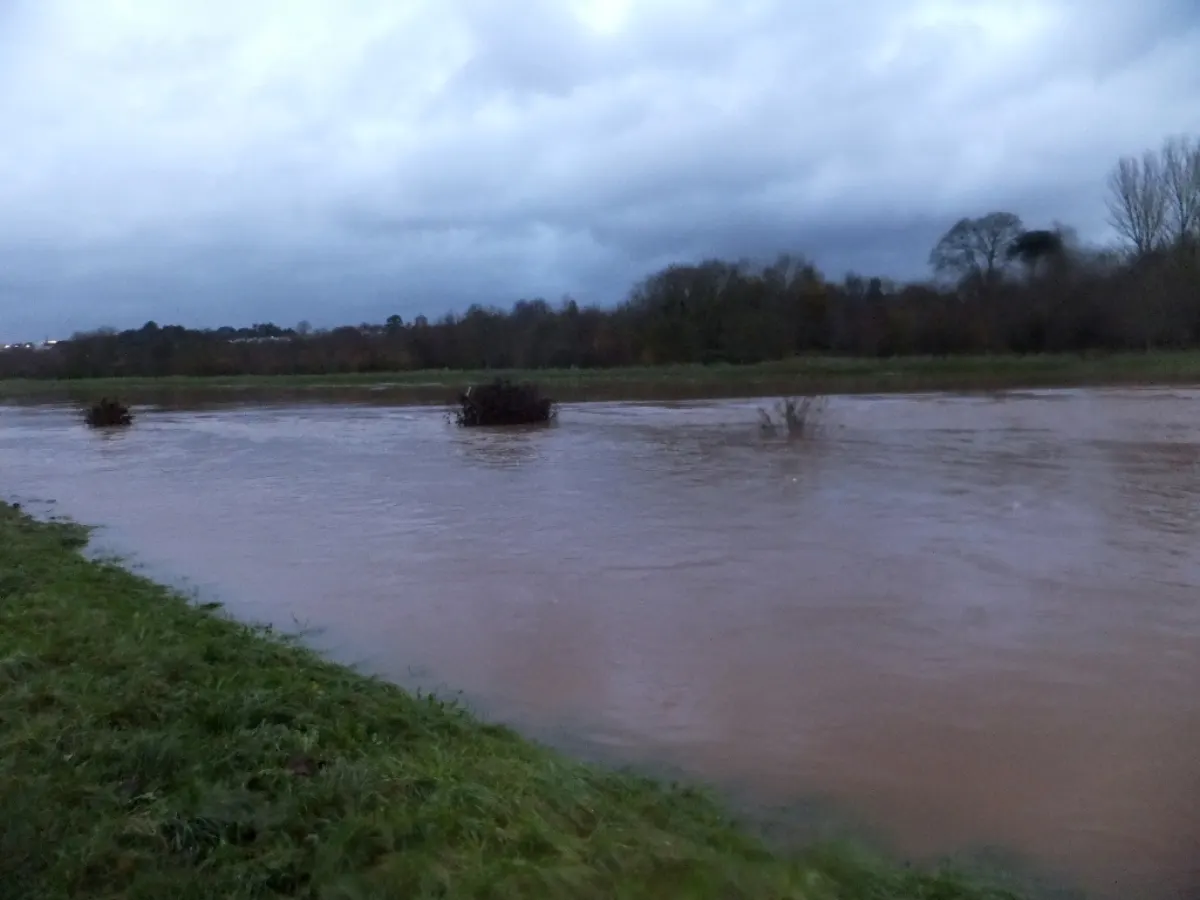
Flood Prediction System Images
What You Will Learn
Frequently Asked Questions
Project Details
Available- ProjectFlood Prediction System
- TypeMini Project
- CategoryAI/ML
- LanguagePython
- FrameworkTensorFlow/Scikit-learn
- DatabaseMySQL
- DocumentationReport + PPT
- SetupRemote help
- DeliverySource Code + Documentation